OPTIMALISASI CURUG SAWER DESA NEMBOL SEBAGAI WISATA ALAM EDUKATIF DAN REKREATIF DI KECAMATAN MANDALAWANGI, KABUPATEN PANDEGLANG
DOI:
https://doi.org/10.53067/icjcs.v6i1.233Keywords:
Curug Sawer, Educational Tourism, Recreation, Community EmpowermentAbstract
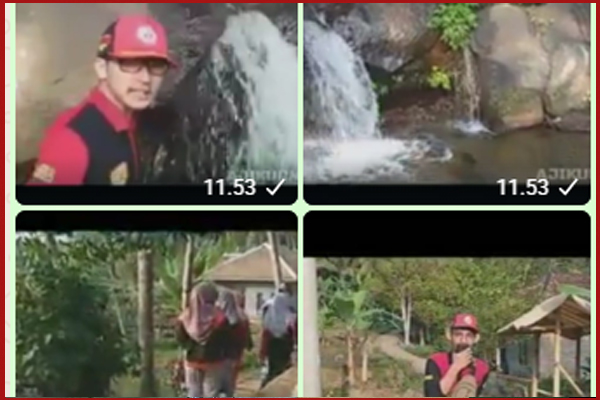
Curug Sawer, also known as Curug Sawer, is one of the natural tourism destinations located in Nembol Village, Mandalawangi Subdistrict, Pandeglang Regency. This tourist attraction offers natural waterfalls, rivers, mountainous scenery, camping areas, and supporting recreational facilities. However, the potential of Curug Sawer has not been optimally managed, especially as an educational-based nature tourism destination. Problems identified include limited community capacity in tourism management, lack of educational tourism concepts, minimal environmental awareness, and underutilized local resources. This community service activity aims to optimize Curug Sawer as an educational and recreational nature tourism destination through community empowerment, environmental education, and tourism management assistance. The methods used include socialization, training, mentoring, and participatory activities involving local communities, youth groups, and tourism awareness groups. The results of this activity show increased community understanding of sustainable tourism, improved environmental awareness, and strengthened local participation in tourism management. This program is expected to support the development of Curug Sawer as a sustainable educational tourism destination and improve community welfare.
Downloads
References
Hidayat, R. (2023). Pelatihan lingkungan untuk pengelolaan wisata berbasis masyarakat. Jurnal Pariwisata Indonesia, 8(2), 120–132. https://doi.org/10.1234/jpi.2023.8.2.120
Kementerian Pariwisata Republik Indonesia. (2021). Panduan Pengembangan Destinasi Pariwisata Berbasis Masyarakat. Jakarta: Kementerian Pariwisata Republik Indonesia.
Kementerian Pariwisata dan Ekonomi Kreatif Republik Indonesia. (2022). Pedoman Pengembangan Desa Wisata Berkelanjutan. Jakarta: Kementerian Pariwisata dan Ekonomi Kreatif Republik Indonesia.
Kementerian Pariwisata dan Ekonomi Kreatif Republik Indonesia. (2023). Strategi Pengembangan Pariwisata Alam dan Ekowisata Berkelanjutan. Jakarta: Kementerian Pariwisata dan Ekonomi Kreatif Republik Indonesia.
Lubis, M., Siregar, D., & Putra, A. (2021). Dampak pendampingan lapangan terhadap kemandirian pengelolaan wisata lokal. Jurnal Pemberdayaan Masyarakat, 5(1), 55–67. https://doi.org/10.1234/jpm.2021.5.1.55
Pratama, H., & Sari, P. (2022). Wisata edukatif sebagai media pembelajaran lingkungan. Jurnal Pendidikan dan Lingkungan, 5(3), 101–112. https://doi.org/10.1234/jpl.2022.5.3.101
Rahmawati, N., Santoso, P., & Haryanto, F. (2022). Peran sosialisasi dalam meningkatkan kesadaran lingkungan masyarakat. Jurnal Lingkungan dan Sosial, 6(3), 45–60. https://doi.org/10.1234/jls.2022.6.3.45
Santoso, T., & Putri, A. (2024). Wisata berbasis komunitas sebagai strategi pemberdayaan ekonomi lokal. Jurnal Ekonomi Kreatif, 10(1), 88–101. https://doi.org/10.1234/jek.2024.10.1.88
UNWTO. (2023). Community-Based Tourism and Sustainable Development. Madrid: World Tourism Organization.
Wijaya, D., Putri, L., & Prasetyo, R. (2023). Efektivitas wisata edukatif terhadap kesadaran lingkungan pengunjung. Jurnal Pendidikan Lingkungan Hidup, 8(1), 25–36. https://doi.org/10.1234/jplh.2023.8.1.25
Downloads
Published
How to Cite
Issue
Section
License
Copyright (c) 2026 Wahyu Wiguna, Suflani

This work is licensed under a Creative Commons Attribution-NonCommercial-ShareAlike 4.0 International License.